
Texas HVAC, Electrician and Elevator License Defense:
Complete Guide
You received a Notice of Alleged Violation from the Texas Department of Licensing and Regulation. Or perhaps you have been arrested, and now you are wondering what happens to your HVAC, electrical, or elevator license.
Either way, the stakes are real. Your license represents years of training, hard work, and your ability to earn a living.
I’m Pat Ruzzo, and I have been a criminal defense attorney based in Houston, Texas for over thirty-five years. During my career, I have represented numerous licensed tradespeople facing disciplinary proceedings before the Texas Department of Licensing and Regulation, as well as tradespeople facing criminal charges that threatened their licenses. What I have learned is that the TDLR takes enforcement seriously, moves quickly when public safety is at stake, and has extraordinary enforcement powers that can affect your livelihood immediately and without prior notice in serious cases.
The Trades Regulated by TDLR
The Texas Department of Licensing and Regulation is the state agency responsible for licensing and regulating a broad range of trades and professions. For purposes of this article, we are focused on three major trade categories:
Electricians. The electrical licensing structure in Texas includes master electricians, journeyman electricians, apprentice electricians, electrical contractors, and residential appliance installers. Each license tier carries different authorization levels and different responsibilities.
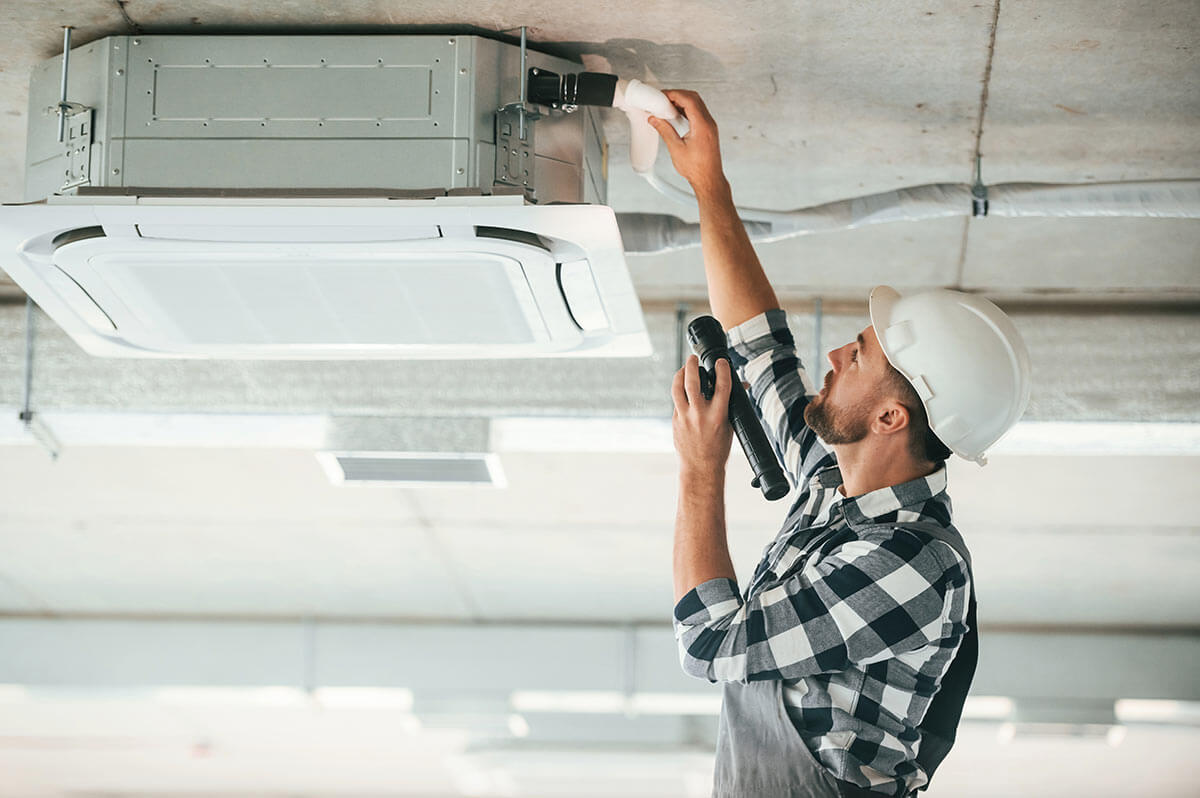
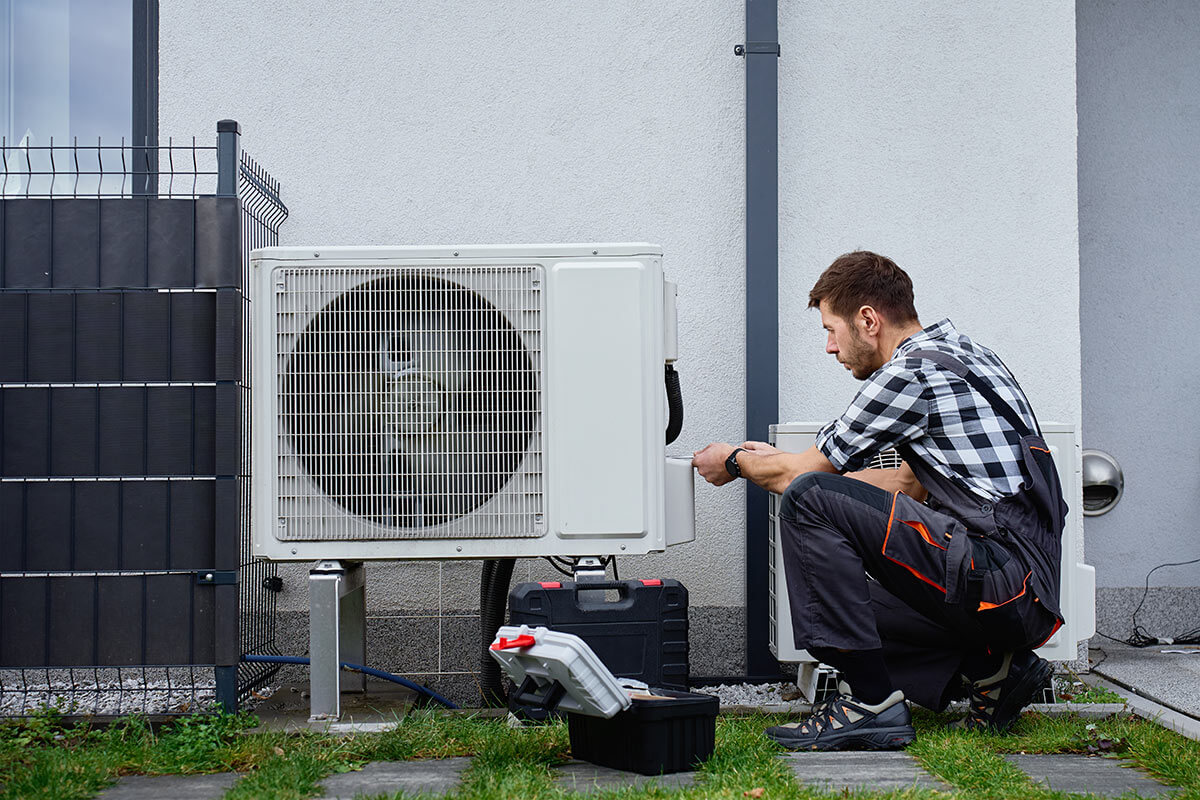
HVAC professionals. The air conditioning and refrigeration licensing structure includes Class A contractors, Class B contractors, certified technicians, and registered technicians. Class A contractors handle the largest and most complex systems. Class B contractors handle smaller residential and light commercial work.
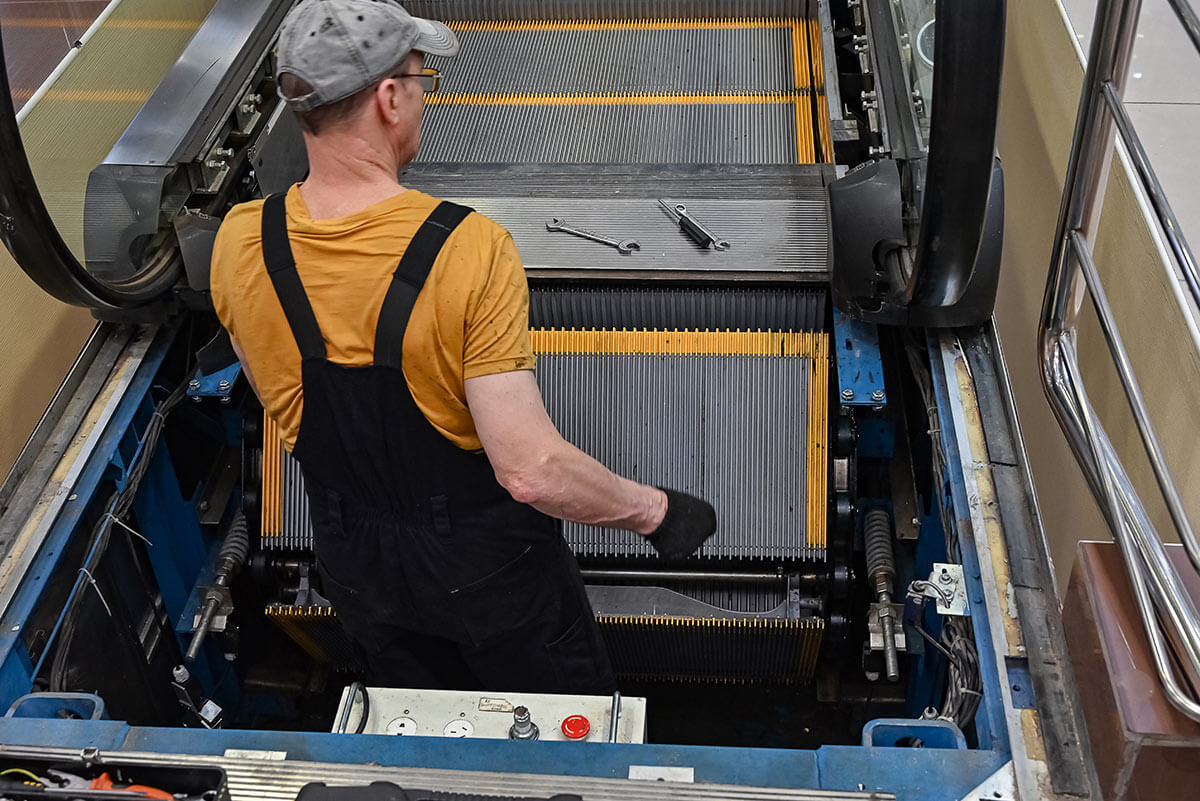
Elevator and escalator professionals. This category includes elevator and escalator contractors, mechanics, and inspectors. These professionals work on mechanical systems that carry the public and that present immediate life safety risks when they malfunction.
All of these license holders are governed by the TDLR, which means they share a common regulatory framework, a common disciplinary process, and common enforcement mechanisms. Understanding that framework is essential to protecting your license when it is threatened.
Why TDLR Takes Enforcement Seriously
Electricians, HVAC technicians, and elevator mechanics work on mechanical systems with high and immediate risk to life and property. Faulty electrical work causes fires. Improperly installed HVAC equipment can cause carbon monoxide poisoning or refrigerant exposure. Elevator and escalator malfunctions can cause serious injury or death.
Because of these risks, the TDLR possesses extraordinary enforcement mechanisms that go beyond what many other licensing boards have available. Understanding these powers helps you appreciate why taking TDLR investigations seriously from the very beginning is so important.
The TDLR executive director has the authority to issue emergency cease and desist orders to halt unpermitted electrical, HVAC, or elevator work on site immediately. The TDLR can emergency red-tag elevators and escalators and remove equipment from service when an inspection reveals an immediate physical safety hazard to the public. These actions can happen without prior notice and without a hearing. The board acts first to protect the public and holds hearings afterward.
This is not a regulatory body that moves slowly or gives second chances when public safety is at stake.

License Tiers and What They Mean for Discipline
One of the important distinctions in trade licensing that affects disciplinary proceedings is the difference between license tiers and what each tier is authorized to do.
A journeyman electrician is authorized to perform electrical work under the supervision of a master electrician. A master electrician has broader authorization and greater responsibility. An electrical contractor’s license allows a business to operate and take on electrical projects.
When violations occur, the tier of license involved matters. A master electrician or Class A HVAC contractor who holds the top tier of authorization faces heightened responsibility. When workers beneath them engage in violations, the master or contractor may face discipline for failure to properly supervise, even if they did not personally perform the deficient work.
A similar dynamic exists with elevator contractors and mechanics. The contractor is responsible for the conduct of the mechanics working under their authorization. Failures of supervision can result in discipline of the contractor even when the contractor was not present during the deficient work.
Many contractors and license holders in the trades do not fully appreciate this supervisory responsibility until they are facing board discipline for something a worker did without their direct knowledge or involvement.
How the TDLR Finds Out About Violations
Complaints reach the TDLR from several sources:
Customers and property owners. A homeowner or building owner who believes electrical, HVAC, or elevator work was done improperly, dangerously, or incompletely will often file a complaint. I have also seen situations where customers file complaints to avoid paying for completed work, or even where customers tamper with completed work and then claim it was deficient. Thorough independent investigation sometimes reveals these circumstances.
Municipal inspectors. Building inspectors and code enforcement officers who encounter unpermitted work, code violations, or dangerous installations may report the matter to the TDLR in addition to taking their own enforcement actions.
The TDLR’s own enforcement activities. The TDLR has a centralized enforcement division that investigates consumer complaints, safety violations, and alleged industry misconduct. This division can also initiate investigations based on its own monitoring activities.
Law enforcement. When criminal conduct intersects with trade work, law enforcement may notify the TDLR.
Self-reporting at renewal. When you renew your license, you are required to disclose certain information. Failing to properly disclose required information is itself a violation that can result in separate disciplinary proceedings.
Common Grounds for TDLR Discipline
Based on my experience representing tradespeople before the TDLR, the most common grounds for discipline include:
Performing work without the appropriate license level. Doing work that requires a master electrician’s license when you only hold a journeyman license, or doing Class A HVAC work when you only hold a Class B license, is a serious violation.
Performing work while your license has expired. Allowing your license to lapse and then continuing to work is a violation that the TDLR treats seriously. License renewal requirements exist for a reason, and working on an expired license is treated similarly to working without a license.
Negligent or substandard work violating national codes. The National Electrical Code and ASME standards exist to protect public safety. Work that violates these codes is subject to discipline regardless of whether it caused actual harm.
Misrepresentation, deceptive advertising, and fraudulent billing. I have seen cases where electricians or HVAC contractors represented that they would install high quality equipment and then installed only the most minimally compliant equipment without disclosing the substitution. Misrepresentation of this kind is treated seriously.
Failure to maintain adequate general liability insurance. All licensed tradespeople are required to maintain appropriate insurance coverage. Failure to maintain coverage exposes customers to unprotected risk and is a violation of TDLR rules.
Employing uncertified or unregistered helpers or apprentices. Using workers who are not properly registered or certified under your supervision is a violation that can result in significant fines and probationary suspension.
Failing to provide required document packages to building owners. After completion of elevator and escalator work, contractors are required to provide specified documentation to building owners. Failure to do so is a separate violation.
Failing to properly supervise job sites. The license holder is responsible for ensuring that all work performed under their authorization meets applicable standards. Inadequate supervision is a basis for discipline.
Working on a suspended license. Continuing to work after your license has been suspended is one of the most serious violations and can result in immediate escalation to revocation.
Real Case Examples
Because trade license cases often involve the specific circumstances of each situation, I will speak generally about types of cases I have handled.
Billing and Equipment Fraud
I have handled cases where HVAC or electrical contractors were accused of representing that they would install specified equipment and then substituting lesser equipment without the customer’s knowledge. These cases require careful investigation of contract documents, invoices, purchase records, and the equipment actually installed. In some instances, independent investigation has revealed that the customer’s claims were inaccurate or that the substitution was disclosed and agreed to. In others, the facts supported negotiating a resolution that included restitution to the customer and reduced penalties.
Supervisory Failures
I have represented contractors whose workers performed deficient or unauthorized work without the contractor’s direct knowledge. These cases require demonstrating the nature and adequacy of the supervision the contractor provided, the circumstances that allowed the worker to deviate from required practices, and what the contractor has done to prevent similar situations in the future. The board evaluates whether the contractor’s supervision was genuinely inadequate or whether the worker acted surreptitiously despite reasonable oversight.
Customer Dispute Complaints
Not every complaint reflects actual misconduct. I have handled cases where customers filed complaints to avoid paying for completed work, or where disputes about the scope of work or the quality of materials led to complaints that overstated or misrepresented what actually happened. Thorough independent investigation, including reviewing contracts, communications, photographs, and witness accounts, is essential to defending these cases effectively.

Critical Issues Unique to TDLR Trade Cases
The Supervisory Responsibility Problem
One of the most important things that master electricians, Class A HVAC contractors, and elevator contractors need to understand is that your license creates supervisory responsibility for the work performed under your authorization.
When violations are discovered, there is a natural tendency for license holders to attempt to distance themselves from the violations by blaming workers beneath them. The license holder claims they were supervising adequately but the worker deviated from proper practices without their knowledge.
This defense has merit in some situations. But workers who have had long, trusting relationships with their employers often assume the company will protect them when things go wrong. I have had to advise clients in similar situations that the interests of the company and the interests of the individual worker can diverge sharply when violations are discovered. Just because you have worked loyally for years does not mean the company will not point the finger at you to protect itself.
If you are a tradesperson who has received a notice from the TDLR or been contacted by investigators, do not assume your employer is acting in your interest. Seek your own independent legal counsel immediately.
Emergency Enforcement Powers
The TDLR’s emergency enforcement powers are significant and deserve special attention.
The executive director can issue an emergency cease and desist order to halt work on site immediately when unpermitted electrical, HVAC, or elevator work is discovered. This order stops work immediately, regardless of where the project stands.
The TDLR can also emergency red-tag elevators and escalators, removing them from service when an inspection reveals an immediate physical safety hazard. An elevator red-tagged in a commercial building or high-rise can have immediate and severe financial consequences for the building owner and significant consequences for the elevator contractor responsible for the equipment.
These emergency actions can occur before any formal hearing. The board acts to protect the public first and addresses your rights to a hearing afterward. This means that by the time you know there is a problem, your ability to work may already be affected.
Criminal Charges and Your TDLR License
Criminal charges can threaten your TDLR license in several ways:
Unlicensed practice. Performing electrical, HVAC, or elevator work without the required license is not only a TDLR violation but can also be a criminal offense. The TDLR can refer persistent unlicensed operators to the Texas Attorney General or local district attorneys for civil injunctions and criminal prosecution.
Work-related criminal charges. Theft from a customer’s home or job site, fraud related to billing or work performed, or other offenses arising from your professional conduct will trigger board scrutiny in addition to criminal proceedings.
Unrelated criminal charges. Criminal charges that have nothing to do with your trade work, such as DWI, assault, domestic violence, or drug possession, can affect your license renewal and trigger board investigation.
The critical point is that a criminal proceeding and a board proceeding operate under different standards of proof. The state must prove criminal charges beyond a reasonable doubt. The board must only prove violations by a preponderance of the evidence, meaning more likely than not. You can be acquitted in criminal court and still face board sanctions. You can be convicted criminally and still preserve your license through proper representation and demonstrated rehabilitation.
The TDLR Four-Tier Violation Classification System
The TDLR uses a four-tier classification system for violations, with corresponding sanction ranges:
Class A violations are minor administrative and record-keeping infractions. Examples include failing to display compliance certificates on elevators or equipment, minor advertising or vehicle labeling defects, and late contact information updates. Class A violations typically result in fines ranging from five hundred to one thousand dollars per violation.
Class B violations involve operational issues and unlicensed practice. Examples include operating without adequate liability insurance, employing uncertified or unregistered helpers or apprentices, failing to provide required document packages to building owners, and failing to properly supervise job sites. Class B violations can result in fines ranging from one thousand to three thousand dollars per violation and may result in probated suspension or full suspension for up to one year.
Class C violations involve safety risks, gross negligence, and dishonesty. Examples include substandard or negligent work that violates national safety codes, working on a suspended license, returning compromised equipment to service after an accident without proper replacement, and fraud or misrepresentation. Class C violations can result in fines ranging from two thousand to five thousand dollars per violation and may result in a one-year probated suspension up to full revocation.
Class D violations are the most serious and carry mandatory maximum penalties including fines of up to five thousand dollars per violation and immediate license revocation. Class D violations include violating a previous TDLR commission order, obtaining a license by fraud or cheating on an examination, falsifying safety reports submitted to the state, and refusing to cooperate with a TDLR investigation.
Understanding which tier your alleged violations fall into is essential to understanding the potential consequences you face and the strategic options available to you.
Aggravating and Mitigating Factors
When determining appropriate sanctions within the classification system, the TDLR considers both aggravating and mitigating factors.
Aggravating factors that can push sanctions higher include:
- Physical harm to a person
- Environmental risk or property damage
- Financial loss to a consumer beyond mere procedural errors
- History of prior violations by the same license holder
- Willfulness and deception, including intentional fraud and misrepresentation
- Economic deterrence, where the board is intentionally setting an example to deter similar conduct industry-wide
That last factor, economic deterrence, is worth understanding. The TDLR sometimes imposes sanctions not just to address the individual case but to send a message to the industry. When the board is in a deterrence mindset, sanctions can be higher than the individual circumstances of your case would otherwise suggest.
Mitigating factors that can support lesser sanctions include:
- No physical harm occurred
- The violation was technical or procedural rather than intentional
- The license holder voluntarily made restitution to the customer before the board intervened
- The license holder remediated deficient work before the board got involved
- Clean prior record
- Cooperation with the investigation
Acting quickly to make things right before the board is deeply involved in an investigation is one of the most effective mitigation strategies available. Waiting until the board has completed its investigation and issued a NOAV before addressing consumer concerns eliminates this opportunity.
Common Mistakes That Make Things Worse
Mistake 1: Talking to Investigators Without Legal Counsel
TDLR field investigators are experienced professionals building a case. Everything you say to them is documented and can be used against you in disciplinary proceedings. What feels like a reasonable explanation can easily become an admission of a violation.
Do not talk to TDLR investigators without first consulting an attorney.
Mistake 2: Ignoring the Notice of Alleged Violation
Receiving a NOAV and ignoring it is one of the worst things you can do. Failing to respond can result in default sanctions being imposed without you having had any opportunity to present your position. The time limits for responding to a NOAV are real and must be taken seriously.
Mistake 3: Assuming Everything Is Negotiable
Some TDLR sanctions are negotiable. Others are fixed by rule or reflect a board posture that leaves little room for negotiation. Going into a negotiation without understanding which is which puts you at a disadvantage. Experienced legal counsel will know what can be negotiated and can develop strategy accordingly.
Mistake 4: Assuming Workers Will Be Loyal
When violations are discovered, workers beneath a license holder sometimes provide statements to investigators that are damaging to the license holder, either because they are trying to protect themselves or because they are being interviewed before they understand the implications of what they are saying. Do not assume that long-term employment relationships guarantee loyalty when investigators are asking questions.
Mistake 5: Not Acting Quickly to Mitigate
Voluntarily making restitution to affected customers, remediating deficient work, and correcting violations before the board formally acts are all considered mitigating factors. These actions demonstrate responsibility and good faith. Waiting until the NOAV arrives to take these steps means losing the opportunity to have them considered as pre-enforcement mitigation.
What the TDLR Actually Cares About
The TDLR’s primary concern is public safety. Electrical, HVAC, and elevator work involves systems that can cause fires, injuries, and deaths when done improperly. The board cares first and foremost about whether the public was put at risk and whether they continue to be put at risk by the license holder’s practices.
Beyond public safety, the board cares about:
- Whether violations were intentional or resulted from negligence versus honest procedural mistakes
- Whether you take your professional responsibilities seriously
- Whether you have corrected any deficiencies and compensated affected customers
- Whether you have a history of prior violations
- Whether you are honest and forthcoming in your dealings with the board
Demonstrating that you take safety seriously, that you have corrected deficiencies, and that you have compensated affected customers can all influence outcomes favorably.
Why You Need an Attorney Who Understands Both Criminal Law and Licensing
If your situation involves criminal charges in addition to a TDLR investigation, you need an attorney who understands both areas of law and how they interact.
Your criminal case and your board case are happening at the same time. What you say or submit in one proceeding can be used against you in the other. Plea agreements in criminal court can trigger licensing consequences if not structured with an understanding of the licensing rules. An attorney who practices only criminal defense will not understand how to protect your license. An attorney who practices only licensing defense will not understand the criminal implications.
My practice combines over thirty-five years of criminal defense experience with extensive experience representing licensed tradespeople before the TDLR and other licensing boards. I understand how to coordinate strategy across both proceedings and how to structure outcomes that protect both your freedom and your license.

Your Next Step
If you are an electrician, HVAC technician, or elevator professional facing a TDLR investigation, a Notice of Alleged Violation, a license suspension or revocation, or criminal charges that could affect your license, contact my office today for a consultation.
We will review your situation, explain your options, and develop a strategy to protect your license, your business, and your livelihood.
Your career is worth fighting for. Let’s fight together.